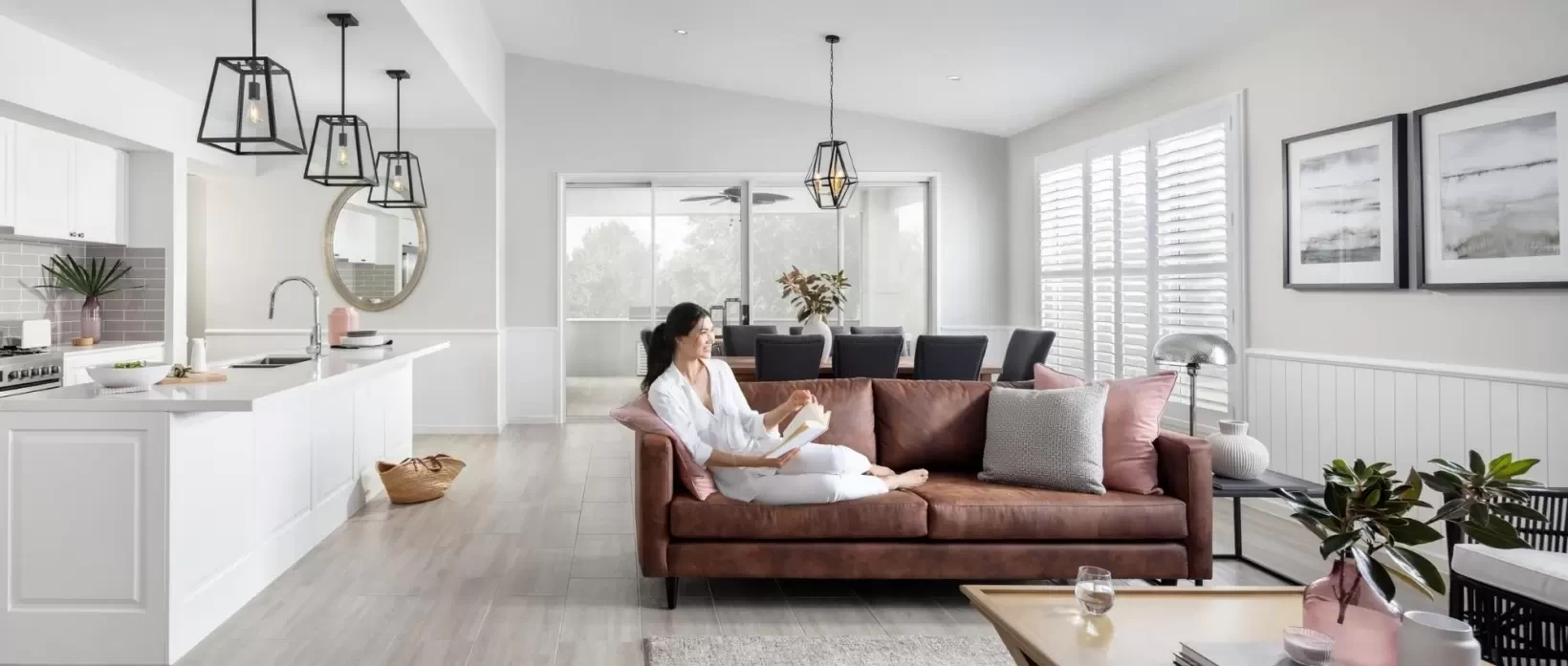
The cost to build a house in Brisbane has shifted noticeably over the past few years. If you’ve spoken to friends who built recently, you’ve probably heard very different numbers. Land prices, design choices and broader market pressures all play a role. In 2026, there isn’t one set figure that answers how much it costs to build a house in Brisbane. It comes down to the decisions you make, but understanding the key cost factors will help you plan with confidence.
When choosing whether to build or buy, it’s important to understand what goes into both processes. If you were to buy a home, you might get the exact street you’re looking for, but could end up paying more in the long run with older plumbing and unreliable electrical systems. If you decide to renovate to get the floor plan you want, you may also uncover a myriad of additional problems along the way.
If you decide to build, you might not get the exact street you want, but you’ll have more control from the outset. You get to decide how the indoor and outdoor areas flow, and all those finishing touches that make a home truly yours. For many families weighing up the cost to build a house in Brisbane against the price of established homes, that level of certainty and having the home that you really want matters.
Factors affecting building costs in Brisbane
Land
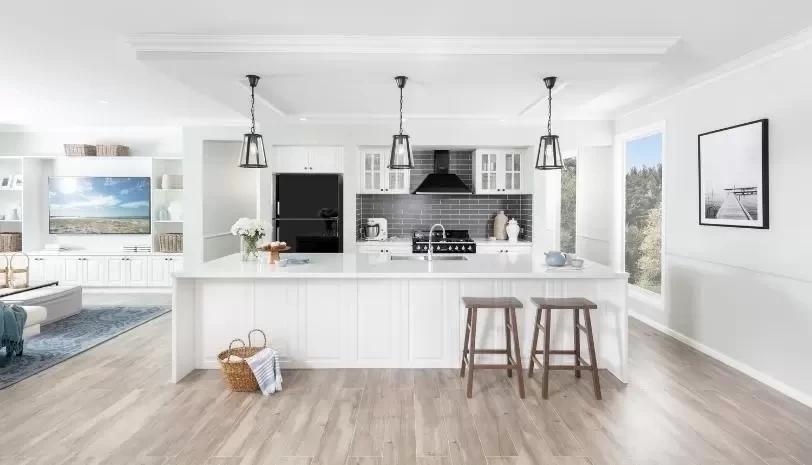
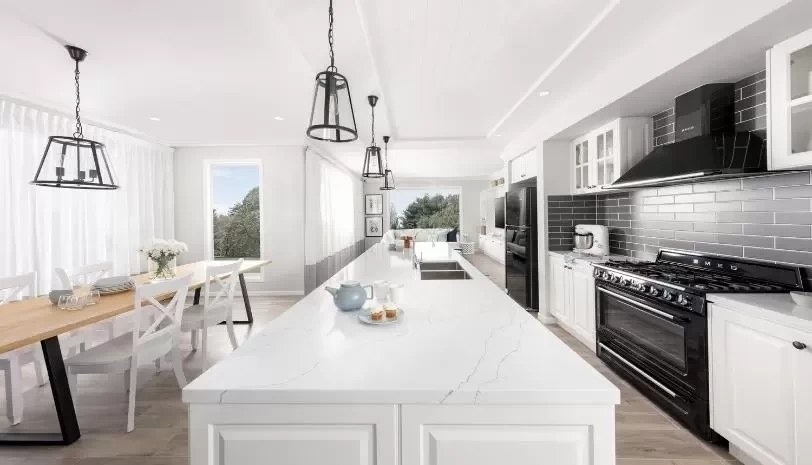
Land is often the biggest variable when talking about the cost to build a house in Brisbane. Median land prices across South East Queensland have nearly doubled since 2021, rising from $245,900 to $459,250, according to this recent report.
Location, block size and slope all influence total cost. Inner suburbs and established school zones typically command higher prices, while flatter blocks are generally more straightforward to build on than steep or irregular sites.
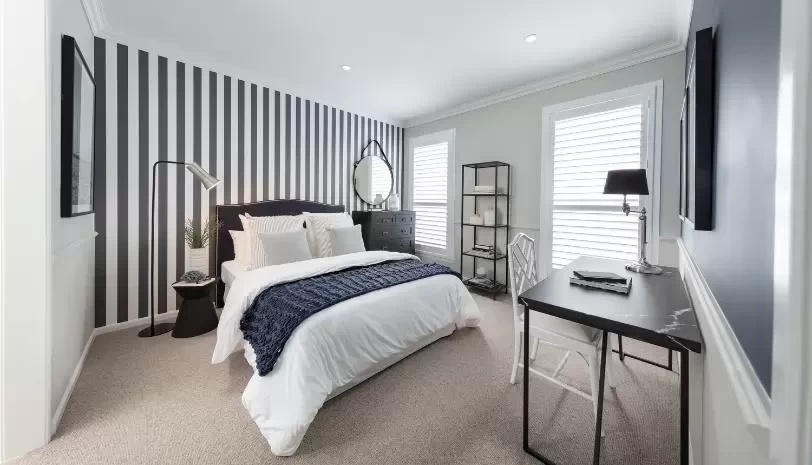
Home design
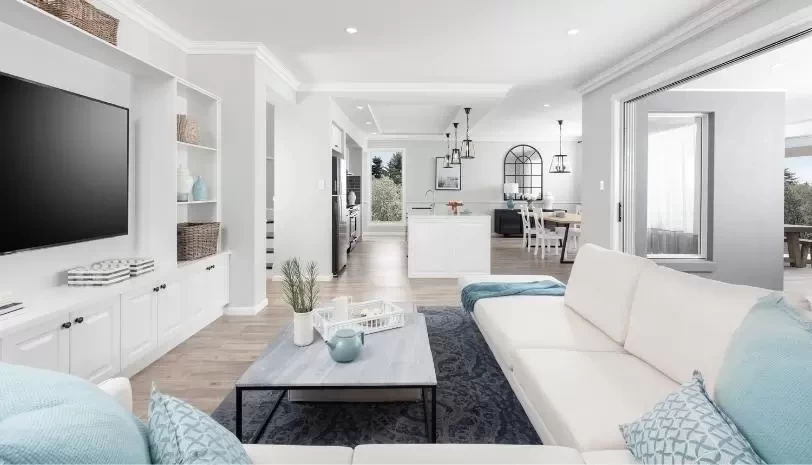
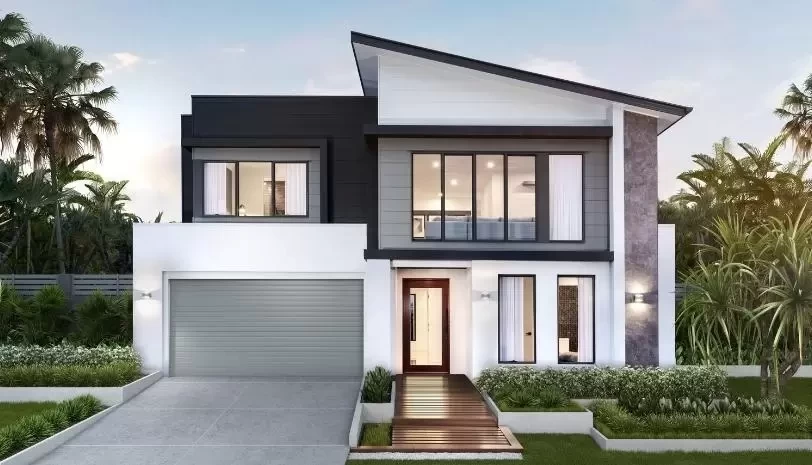
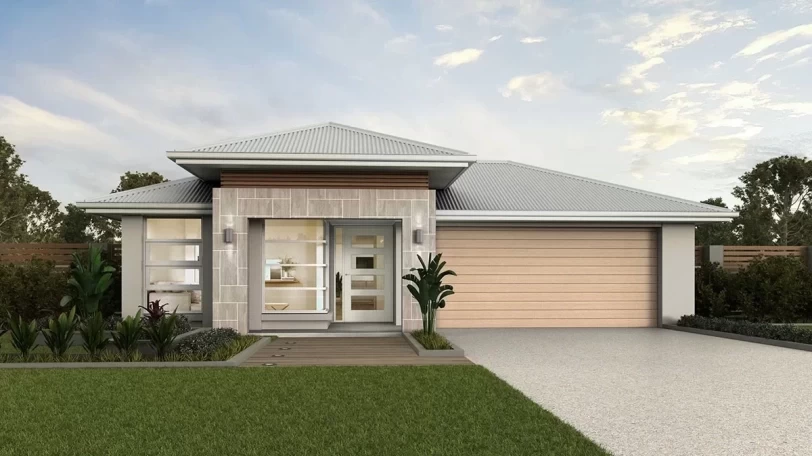
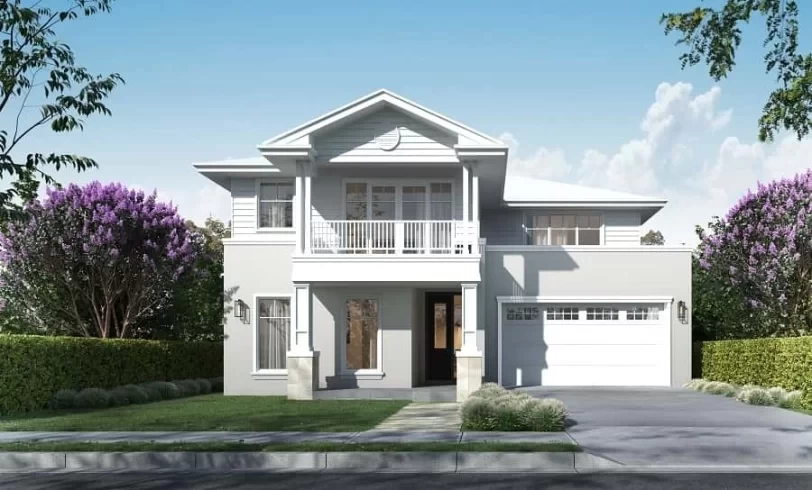
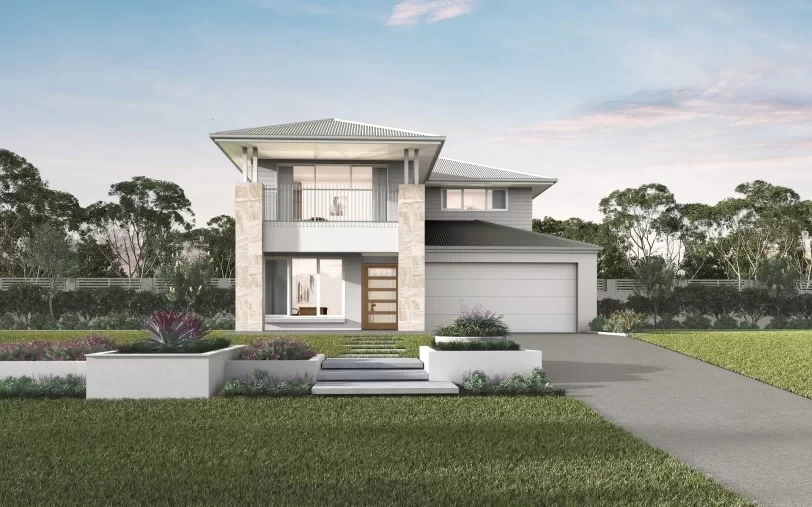
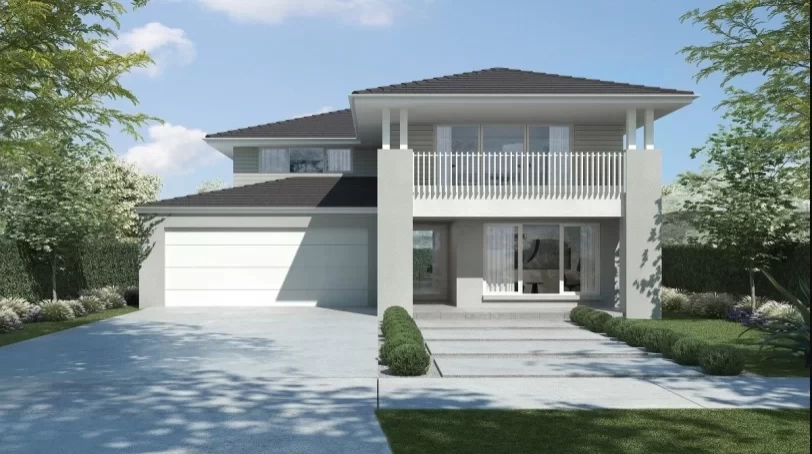
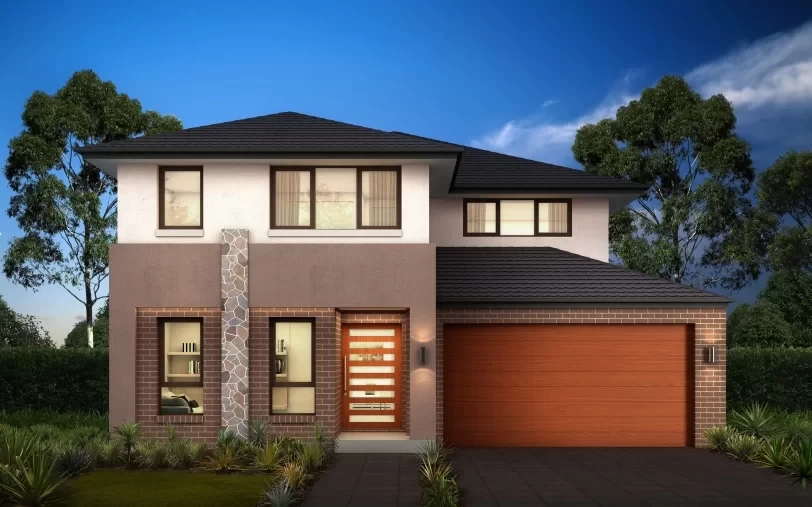
Your home design directly affects how much it costs to build a house in Brisbane. Single storey homes often suit wider blocks and can be simpler to construct. Double storey designs are common on narrower lots, allowing families to maximise internal space without losing backyard area.
Complexity should also be taken into account. Clean rooflines and well-zoned layouts are typically more cost-efficient than intricate architectural detailing. The more structural changes or unique features you include, the more it can influence the overall cost.
Materials and finishes
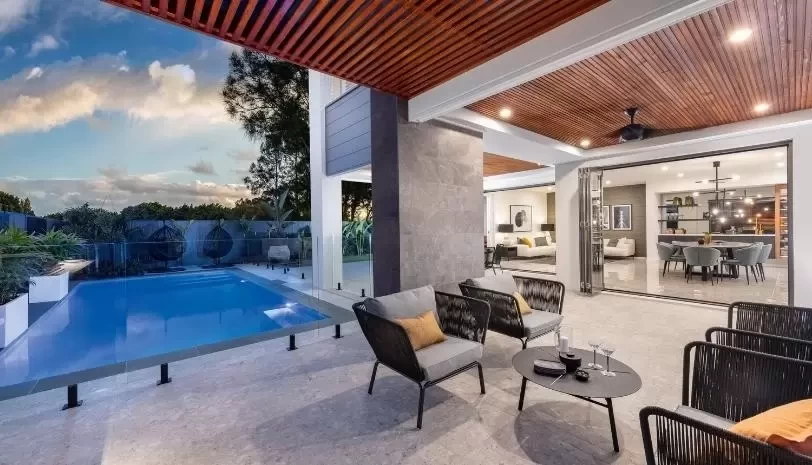
Selections can quietly shift the total investment. Standard inclusions provide quality and durability, but upgrades such as stone benchtops, timber flooring or premium appliances add high costs to the final spend.
While these choices may not significantly change the advertised building cost per square metre that Brisbane buyers often compare, they do affect the overall budget. Prioritising the finishes you will value long-term helps keep spending aligned with your goals.
Council fees and permits
Council approvals, planning fees and infrastructure charges form part of the broader cost framework. Depending on your block, service connections for water, sewerage or electricity may also need to be budgeted for.
These items are not always front of mind early on, but they contribute to the total cost of building a house in Brisbane that buyers should prepare for.
Additions
It is important to budget beyond the home itself. Driveways, fencing and landscaping are often separate considerations.
In Brisbane, outdoor living is part of everyday life. Alfresco areas, turf and garden finishes can significantly influence the final figure. Factoring these in early provides a clearer view of how much it costs to build a house in Brisbane overall.
Resources
Brisbane’s preparation for the 2032 Olympic Games is driving significant infrastructure investment across the city. Major transport upgrades, venue construction and urban development projects all require skilled trades and building materials.
As demand increases, competition for labour and resources can put upward pressure on construction costs across the broader market. This may influence construction costs over the coming years, particularly as large-scale projects ramp up.
If you’re planning, understanding this broader environment helps set realistic expectations around timing and budget.
Cost of building a house with a house-and-land package
A house and land package combines a block of land with a preselected home design, bundled into one streamlined process. The home is already suited to the block, which removes much of the uncertainty that can come with buying land first and designing later. This option tends to suit buyers who want clarity from the outset and a more structured pathway to building their new home.
Your total cost will depend on where you build, the surrounding schools and transport links, and the type of community being developed. In Greater Brisbane, the median house and land package price is currently $966,090, compared to $1,030,000 for the median established home. You can explore our available house and land packages across South East Queensland to see what may suit you.
Build Your Home with Clarendon
Once you understand the cost to build a house in Brisbane, the next step is choosing who you trust to build with. We have been building homes in Queensland for more than 47 years, with a focus on well-designed, family-friendly spaces that stand the test of time.
We have been building homes in Queensland for more than 47 years and are proudly Australian owned and operated. Our homes combine well-designed layouts with quality finishes and fittings suited to modern family living. Your brand new Clarendon home also comes with a Lifetime Structural Guarantee, for your peace of mind.
If you are ready to take the next step, visit one of our nearest display homes and chat to our friendly consultants about how you can start planning your new home, or check out our stunning range of home designs to get your inspiration flowing.
Brisbane home designs for you
Every family deserves a home that offers more than just space. It should be a sanctuary designed for sprawling out, effortlessly entertaining and evolving with the dreams of a growing life. Our home designs are created with that in mind, suited to a range of lot widths while delivering generous proportions and practical layouts.
The Boston 400 is designed for 14m+ wide lots and offers five spacious bedrooms, open-plan living and a large alfresco. This double storey home is ideal for families who love to entertain, with generous shared spaces and room for guests to feel comfortable.
The Parkhill 270 is one of our most popular home designs, suited to 12.5m+ wide lots. With four generous bedrooms and three living areas, it balances connection and privacy, giving everyone space to retreat while keeping the heart of the home central.
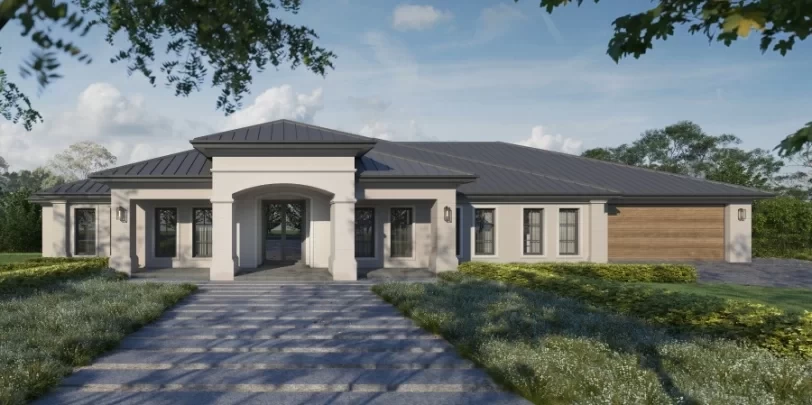
For those who prefer single storey living, the Ashgrove 270 suits wider 16m+ lots and features four bedrooms and three separate living areas. Designed for spacious living on one level, it offers flexibility for growing families without compromising on comfort.
Related Articles
View All Blog Articles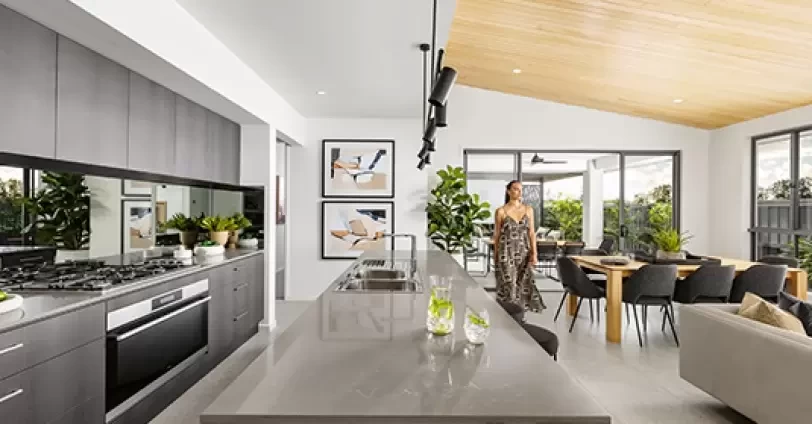
Build your dream home on a budget with Aspire
Building your home
With our carefully curated package, you can tighten the budget without compromising on quality or style.
Read More
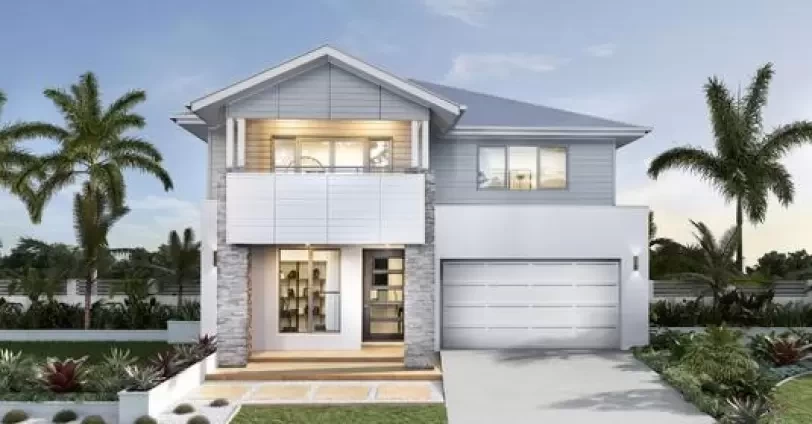
Benefits of Hebel for New Homes
Building your home
Find out what makes Hebel the smart choice for your next build
Read More
Moving to the Sunshine Coast in 2022? Consider these great suburbs
Building your home
We've narrowed down the best new estates to consider when moving to the Sunshine Coast
Read More
Moving to the Gold Coast in 2022? Here are some great suburbs to consider a knockdown rebuild
Building your home
We've narrowed down the best suburbs to consider a knockdown rebuild when moving to the Gold Coast
Read More

