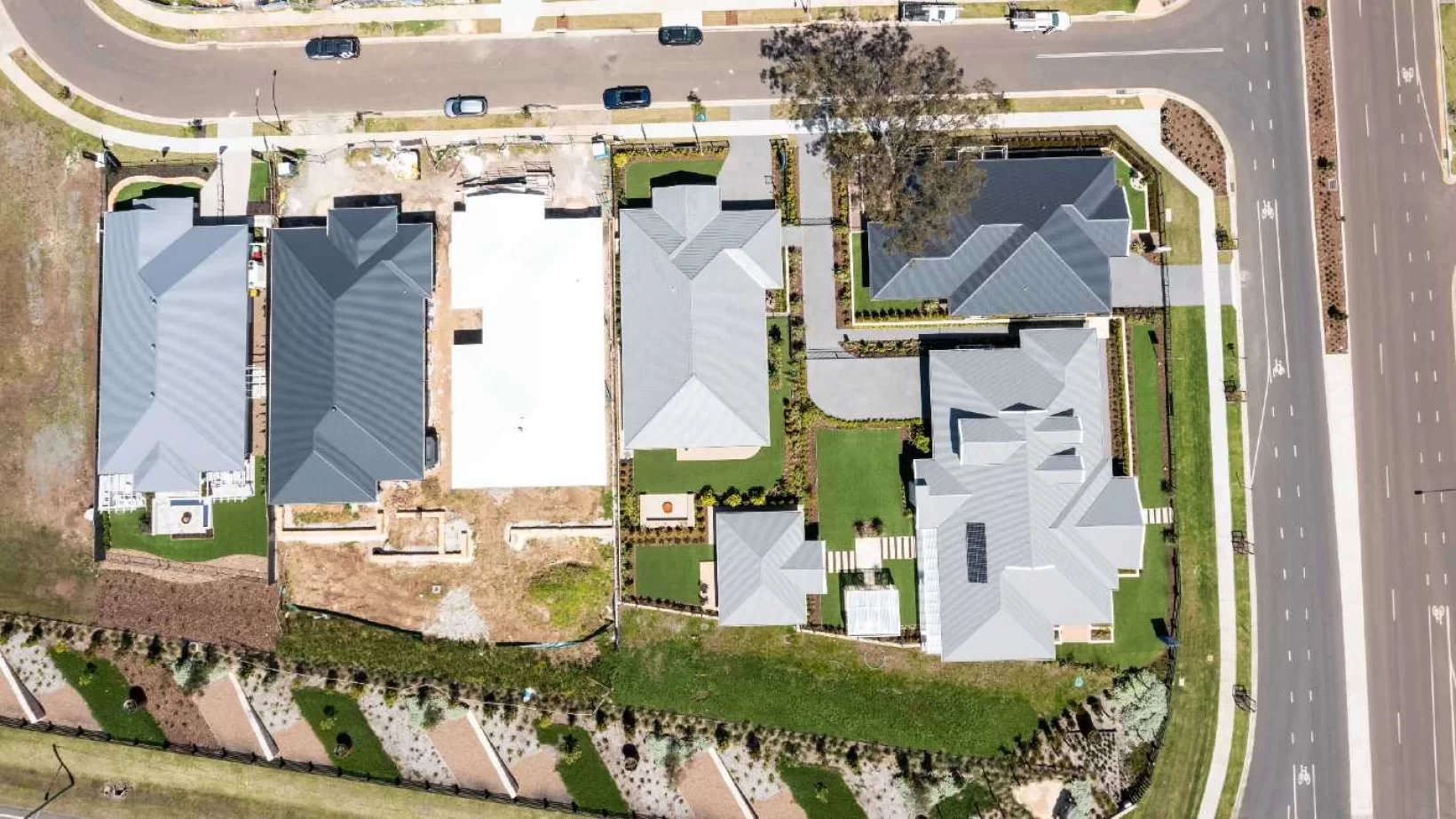
Last night, Treasurer Jim Chalmers handed down what he described as “the most important and ambitious Budget in decades.” For NSW property, that wasn’t an overstatement. The 2026-27 Federal Budget delivers the most significant tax reform to the housing market in a generation, and the design of those reforms creates a clear, deliberate advantage for one type of property above all others: a brand-new home.
For Clarendon customers, that’s a meaningful moment. Whether you're looking at a house and land package in Sydney or regional NSW, or a knock down rebuild on the block you already love, you’re now building the most tax-advantaged asset class in the country. Here’s exactly what changed, and what it means for both pathways.
Negative gearing now only applies to new builds in Australia
From July 2027, negative gearing for residential property will be limited to new builds.
Properties owned at the time of the budget are now grandfathered. Existing investors keep their current arrangements, but any investors buying established housing from now on will lose the ability to deduct rental losses against their wage or salary income. Losses can still be carried forward against future property income, but the immediate tax shelter that has driven so much investor demand for older homes is now gone.
The carve out for new builds is total. If you buy or build a new home as an investment, you keep full negative gearing, exactly as it works today.
This isn’t a loophole, it’s the explicit policy intent. The Treasurer’s briefing made the rationale plain. 83% of new investor loans in 2025 were for existing properties, which adds zero new dwellings to a market that desperately needs supply.
The CGT change, and an even better deal for new build property investors
From the same date, the 50% capital gains tax discount will be replaced with inflation linked indexation plus a new minimum 30% tax rate on capital gains, applying only to gains arising after 1 July 2027.
Here’s the part that most initial reporting has glossed over, investors in new housing can choose. When you sell a newly built investment property, you’ll be able to elect either the old 50% CGT discount or the new indexation method, whichever gives you the best outcome. Investors in establish housing don’t get that choice.
So under the new regime, a new build investor in NSW keeps:
- Full negative gearing
- Choice between the old 50% CGT discount or the new indexation method
- All existing depreciation benefits on a brand new assets.
This is the single largest structural advantage new construction has ever held over established property in the Australian tax system.
What the 2026 Budget Means for NSW Home Builders
The new tax settings reshape both ends of the Clarendon customer journey, but in different ways.
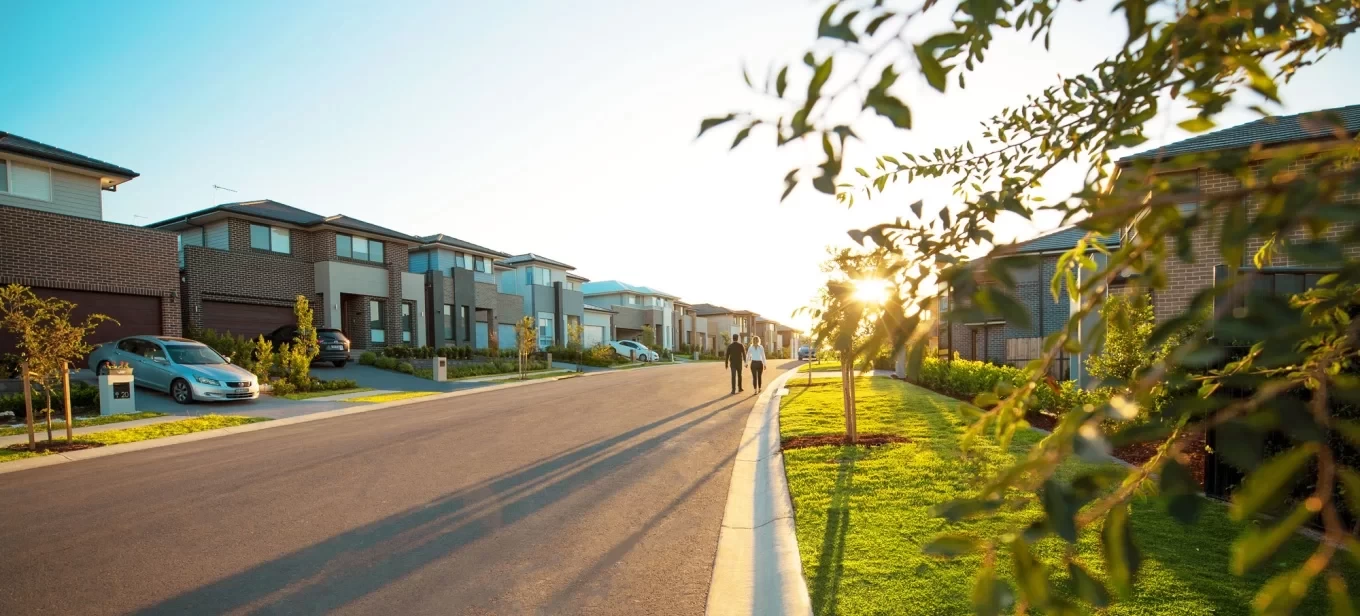
House and Land Packages: Tax Benefits Across 41 NSW Suburbs
Clarendon currently has house and land packages available across 41 suburbs spanning Sydney's North West, South West and Western Sydney growth corridors, the Hunter and Newcastle, the Illawarra, the South Coast and the Southern Highlands. That breadth matters more than it ever has under the new tax settings because the policy advantage attaches to the new dwelling itself, the real question for buyers isn't whether to build new, but where.
And the where has rarely been more compelling. The Western Sydney International Airport opens later this year. The Sydney Metro Western Sydney Airport line is progressing toward connecting St Marys to the Aerotropolis. The South West Metro extension is tracking for the second half of 2026. Federal and state governments together have committed over $28 billion in enabling infrastructure across Western Sydney, with private development proposals worth close to $33 billion in the Aerotropolis alone.
Beyond Sydney, the Hunter, Illawarra, South Coast and Highlands offer something the metro corridors can't always match - lower entry prices, strong rental yields, and lifestyle locations that have been quietly outperforming on growth. For an investor working out where the new tax settings stretch furthest, the regional Clarendon packages reward a closer look.
Knockdown rebuild: Building New on Your Existing Block
For homeowners in Sydney's established suburbs, knock down rebuild has always been a way to get the home you actually want on the land you already love without surrendering your school catchment, your commute, or your neighbourhood.
After this budget, it's also the answer for any homeowner who's been weighing up renovate vs rebuild. A knock down rebuild creates a brand new dwelling on your existing block. For owner-occupiers, that means stepping into a home built to current standards that are energy efficiency, have modern layouts and are smart-home ready, all backed by all the supply-side measures the budget puts behind new construction.
For investor-owners considering rebuilding a tired investment property, the policy direction is clear: the government is steering capital toward new housing supply. However, the ATO has indicated that knockdown rebuilds and substantial renovations that do not increase the overall number of dwellings may not qualify for the new build exemption. The full eligibility criteria will be confirmed when the legislation is drafted. We strongly recommend speaking with your accountant or financial adviser about how the changes apply to your specific situation.
As Sydney's leading knock down rebuild builder, Clarendon has been having these conversations with homeowners for decades. The 2026 budget just gave a lot more of them a reason to start now.
New Builds: The Most Tax-Advantaged Property in Australia
This budget isn't subtle. The government has openly designed the new tax system to push capital out of bidding wars over older homes and into the construction of new ones. For NSW the largest, most investor-heavy property market in the country, that's a fundamental rewrite of the playing field.
A new home built in NSW today is now the most tax-advantaged residential property asset in Australia. That applies whether your new home rises on a house and land block in a Sydney growth corridor, or on the slab where your existing home stood yesterday.
Use our online pricing tool to get an estimate on your new build. Clarendon can help with your finance and investment decisions.
For almost 48 years, Clarendon Homes has built across both pathways - house and land for buyers chasing space and value in NSW's growth corridors, and knock down rebuild for homeowners who'd rather upgrade than move. After last night, both of those decisions are easier to make.
FAQs
How does the 2026 Federal Budget affect property investors in NSW?
From 1 July 2027, negative gearing for residential property will be limited to new builds only. Investors who purchase established homes after 12 May 2026 will no longer be able to offset rental losses against their salary or other personal income. Existing investment properties held before budget night are grandfathered under current arrangements.
Can you still negative gear a new build home after 2027?
Yes. The 2026-27 Federal Budget explicitly exempts new builds from the negative gearing restrictions. Investors who buy or build a brand-new home can continue to deduct rental losses against their salary and other income, exactly as the current system works.
What are the capital gains tax changes in the 2026 Federal Budget?
The existing 50% CGT discount will be replaced with inflation-linked cost base indexation and a new minimum 30% tax rate on capital gains from 1 July 2027. Investors in new builds can choose between the old 50% discount or the new indexation method, whichever produces the better outcome.
Does a knockdown rebuild qualify as a new build under the 2026 budget changes?
The policy direction favours new dwellings, however the specific treatment of knockdown rebuilds will be confirmed when the legislation is drafted. We recommend consulting your accountant or financial adviser for guidance specific to your situation. Clarendon Homes offers specialist knockdown rebuild services across Sydney.
What are the tax benefits of building a new home in NSW?
A new home built in NSW qualifies for full negative gearing deductions, choice of the 50% CGT discount or new indexation method, and full depreciation benefits on a brand-new asset. This makes new residential construction the most tax-advantaged property investment category under the 2026-27 budget.
Where does Clarendon Homes offer house and land packages in NSW?
Clarendon has house and land packages available across 41 suburbs spanning Sydney's North West, South West and Western Sydney, the Hunter and Newcastle, the Illawarra, the South Coast and the Southern Highlands. Packages are available in both the Luxe and Aspire collections.
Related Articles
View All Blog Articles
Why Now Could Be the Smart Time to Build in NSW
Getting Started
NSW's housing fundamentals - a real shortage, strong population growth, and lasting value in new homes keep the market solid. Rather than a broad downturn, expect a varied market. There's no better time to build new.
Read More
Creating a House With Soul
Getting Started
Your new home marks a new chapter in your life so create spaces that tell your story in the most beautiful way for the years ahead. There’s a point when you’re in the process of moving house where the place you’re leaving no longer feels like home. Often, the furniture is still in place but the things that made those spaces feel like yours have already been packed in the moving truck.
Read More
Hamilton 27 - Mid-Century Modern Delight
Getting Started
Mid-century design has stood the test of time, and we have encapsulated its paired back appeal with a contemporary twist in our Brighton Hamilton 27 at Lochinvar Display Centre. This home was designed with one focus: that it supports the busy lives of families who want to proudly entertain as they build special and lasting memories.
Read More
Bowral 44 - Tranquil, Expansive Living at your Fingertips
Getting Started
Walking into the Bowral 44 single storey acreage style display home in Lochinvar, you can almost hear the whipbird call over the treetops as you immediately transport to a new era of Australian country living: cool, clean and refined design, with expansive living and cosy, serene escape in one
Read More

